Reflect: A Versatile and Stylish Font for Creative Projects
When it comes to selecting a font for design projects, the right choice can significantly impact the overall aesthetic and effectiveness of the work. Reflect is a unique and visually appealing font that has gained attention for its clean lines and modern feel. Whether you're working on a design project, DIY craft, or any creative endeavor that requires a touch of elegance, Reflect offers a compelling option. This article explores what Reflect is, why it might be a good fit for your needs, and when alternatives could be more suitable.
What Is Reflect?
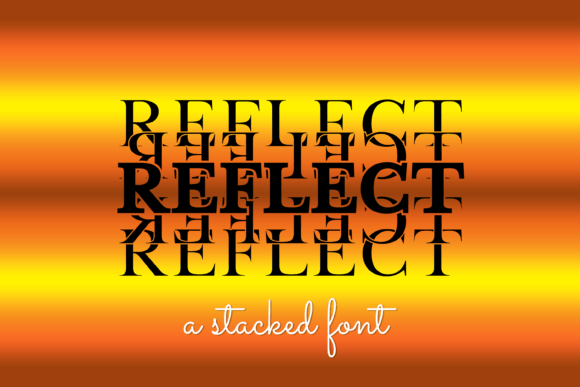
Reflect is a typeface designed with simplicity and clarity in mind. It features a balanced structure that makes it highly readable while maintaining an artistic flair. The font's design elements—such as its consistent stroke widths and symmetrical forms—contribute to its professional and polished appearance. Reflect is available in multiple weights and styles, making it adaptable for various applications. Its versatility allows it to work well in both digital and print formats, providing flexibility for different creative needs.
Why Someone Might Be Interested in Reflect
There are several reasons why a designer, artist, or creator might consider using Reflect. One key factor is its readability. In an age where visual communication is often condensed and fast-paced, a font that remains legible at small sizes or in low-contrast environments can be a significant advantage. Reflect’s design ensures that text remains clear and easy to read, which is essential for effective communication.
Another reason for interest in Reflect is its aesthetic appeal. The font’s clean and modern look can enhance the visual appeal of any project. Whether used for headings, logos, or body text, Reflect adds a touch of sophistication that can elevate the overall design. Its neutral yet distinctive style makes it suitable for a wide range of industries, from technology and education to fashion and lifestyle.
Benefits of Using Reflect
One of the primary benefits of Reflect is its adaptability. The font is available in various weights, allowing users to choose the appropriate level of emphasis for their content. This flexibility makes it ideal for projects that require a hierarchy of information, such as websites, presentations, or printed materials.
Additionally, Reflect’s design is optimized for both screen and print use. This dual-purpose functionality is valuable for creators who need a font that performs well across different mediums. The font’s consistency in appearance ensures that the visual integrity of a project remains intact, regardless of the format in which it is displayed.
Another advantage of Reflect is its compatibility with other design elements. Its neutral tone allows it to pair well with a variety of other fonts, making it a versatile choice for multi-font layouts. This characteristic can be particularly useful in branding projects where a cohesive visual identity is essential.
Tradeoffs and Considerations
While Reflect offers many advantages, there are also factors to consider before deciding to use it. One potential tradeoff is its lack of distinctiveness. Compared to more ornate or decorative fonts, Reflect may not stand out as much in certain contexts. If a project requires a bold or unique visual statement, a different font might be more appropriate.
Another consideration is the availability of the font. Depending on the platform or software being used, Reflect may not be included by default. Users may need to download and install it separately, which can add an extra step to the design process. However, this is a common requirement for most custom fonts and should not be a major barrier for most users.
It is also important to evaluate the specific needs of a project. While Reflect is suitable for many applications, it may not be the best choice for every situation. For example, if a project requires a highly stylized or thematic font, Reflect’s minimalist approach may not align with the desired aesthetic.
Situations Where Reflect Is a Strong Fit
Reflect is an excellent choice for projects that prioritize clarity and professionalism. In business settings, such as reports, brochures, or marketing materials, the font’s clean design can convey a sense of reliability and sophistication. Its readability also makes it a strong option for educational or informational content, where ease of comprehension is crucial.
For personal or creative projects, Reflect can add a refined touch without overwhelming the viewer. It works well for logos, website headers, or social media graphics where a modern and elegant look is desired. Its neutral style allows it to blend seamlessly into a variety of design themes, making it a reliable choice for designers looking for a versatile font.
Situations Where Alternatives May Be Worth Considering
If a project requires a more distinctive or expressive font, alternatives to Reflect may be more suitable. Fonts with more elaborate details or unique shapes can add character and visual interest to a design. For instance, a project focused on creativity or artistry might benefit from a more decorative font that reflects the theme or message more directly.
Additionally, if a project demands a high level of customization or uniqueness, a more specialized font could be preferable. Some fonts are designed with specific industries or purposes in mind, such as retro, vintage, or futuristic styles. In these cases, choosing a font that aligns more closely with the intended message or audience can enhance the overall impact of the design.
Practical Decision-Making Insights
When evaluating whether Reflect is the right font for a project, it’s helpful to consider the goals and context of the work. Ask yourself: What message do I want to convey? What visual style will best support that message? How will the font perform in different formats and environments?
Testing the font in real-world scenarios can also provide valuable insights. Experimenting with different sizes, colors, and layouts can help determine how well Reflect functions in the intended application. This hands-on approach can reveal strengths and limitations that may not be immediately apparent from a description alone.
Finally, it’s worth exploring other fonts to compare their characteristics and suitability. Many design platforms offer a wide range of options, allowing users to find the perfect match for their specific needs. By taking a thoughtful and informed approach, creators can make choices that enhance the quality and effectiveness of their work.