h1 Creating Minimalist: A Versatile Font for Modern Design
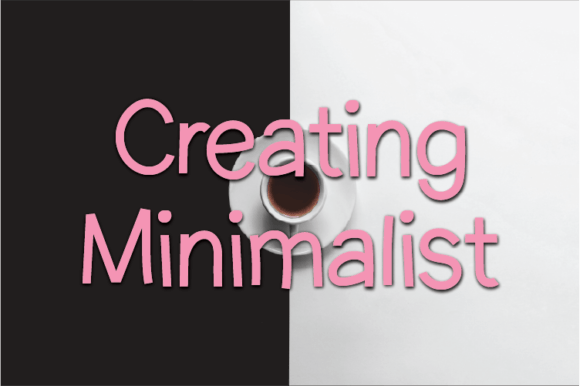
p Creating Minimalist is a distinctive display font that has gained attention for its clean, uncluttered aesthetic. Designed with simplicity in mind, it offers a fresh alternative to more traditional or ornate typefaces. Its minimalistic approach makes it particularly well-suited for projects that require clarity and visual impact without overwhelming the viewer.
h2 What Makes Creating Minimalist Unique?
p At its core, Creating Minimalist emphasizes negative space and straightforward shapes. Unlike many fonts that rely on intricate details or decorative elements, this typeface uses a restrained design language to convey elegance and sophistication. The result is a font that feels modern, yet timeless, making it a popular choice for designers seeking a balance between style and readability.
p One of the standout features of Creating Minimalist is its versatility. It works well in a variety of contexts, from digital interfaces to print materials. Whether used in a headline, a logo, or a piece of merchandise like a T-shirt, the font maintains its integrity and visual appeal. This adaptability sets it apart from other fonts that may be better suited for specific applications.
h2 Comparing Creating Minimalist with Similar Fonts
p When evaluating fonts for a design project, it's important to consider how they compare to alternatives. Creating Minimalist falls into the category of minimalist or sans-serif typefaces, which are known for their clean lines and lack of embellishments. However, not all minimalist fonts are created equal, and each has its own strengths and limitations.
p For example, fonts like Helvetica or Futura also offer a minimalist aesthetic but tend to have a more rigid structure. These fonts may be ideal for corporate branding or formal documents, where consistency and professionalism are key. In contrast, Creating Minimalist provides a more relaxed and expressive feel, making it a good fit for creative or personal projects.
p On the other hand, some fonts designed for artistic or experimental use may incorporate more abstract elements or irregular shapes. While these can add visual interest, they may not be as effective for everyday use. Creating Minimalist strikes a middle ground, offering a balance between creativity and practicality.
h2 Best Use Cases for Creating Minimalist
p The strength of Creating Minimalist lies in its ability to work across different mediums and purposes. It is especially effective in situations where the goal is to communicate a message clearly while maintaining a stylish appearance. For instance, it can be used in quote graphics, social media posts, or signage where legibility is essential.
p Another area where Creating Minimalist shines is in product design. Whether it's printed on a T-shirt, a mug, or a poster, the font adds a touch of modernity without overpowering the design. Its simplicity allows it to blend seamlessly with other visual elements, making it a go-to choice for designers looking to create cohesive and visually appealing products.
p In web design, Creating Minimalist can serve as a strong heading font, drawing attention without distracting from the content. It pairs well with other fonts, allowing for a layered and dynamic layout. However, it's important to note that the font may not be suitable for large blocks of text due to its limited weight variations and spacing characteristics.
h2 When to Choose Creating Minimalist and When to Consider Alternatives
p Deciding whether to use Creating Minimalist depends on the specific needs of a project. If the goal is to create a clean, elegant look that is both modern and versatile, then this font is an excellent option. It is particularly well-suited for designers who want to emphasize simplicity and focus on the message rather than the typography.
p However, there are scenarios where other fonts might be more appropriate. For example, if a project requires a high level of detail or a more structured appearance, a different typeface may be better suited. Fonts with more weight variations or additional stylistic options can provide greater flexibility in certain design contexts.
p Additionally, readers should consider the target audience when choosing a font. While Creating Minimalist appeals to a broad range of users, it may not resonate as strongly with audiences that prefer more traditional or ornate styles. In such cases, exploring other fonts that align more closely with the intended tone and message could be beneficial.
h2 Practical Tips for Using Creating Minimalist
p To get the most out of Creating Minimalist, it's helpful to understand how to use it effectively. Start by experimenting with different sizes and weights to see how the font performs in various contexts. Testing it in real-world scenarios, such as on a website or in a printed document, can help identify any potential issues with legibility or spacing.
p Pairing Creating Minimalist with complementary fonts can also enhance the overall design. For instance, using a more traditional serif font for body text while reserving Creating Minimalist for headings can create a balanced and visually engaging layout. This approach allows the font to stand out while still working harmoniously with other elements.
p Another consideration is the availability of the font. While some fonts are widely available through standard software, others may require purchase or licensing. Before incorporating Creating Minimalist into a project, ensure that it is accessible and compatible with the tools being used.
h2 Conclusion: Making an Informed Choice
p Creating Minimalist is a compelling option for designers seeking a clean, modern, and versatile font. Its emphasis on simplicity and clarity makes it suitable for a wide range of applications, from digital to print. However, as with any design element, the decision to use it should be based on the specific needs of the project and the preferences of the target audience.
p By understanding the strengths and limitations of Creating Minimalist, readers can make informed choices about when and how to use it. Whether it's the right fit for a particular project will depend on factors such as the desired aesthetic, the medium, and the overall design goals. Exploring alternatives and testing different options can help ensure that the final result is both effective and visually appealing.