Why Balduino is a Versatile Choice for Modern Design Projects
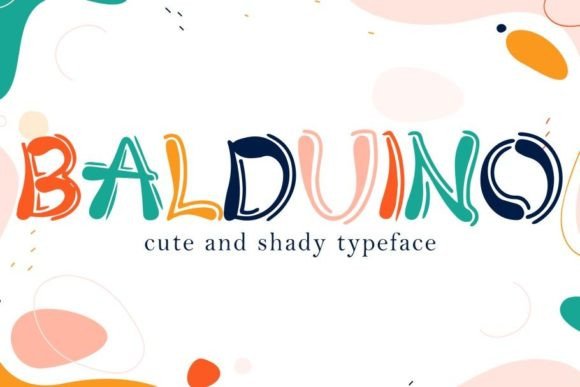
When it comes to selecting the right font for a design project, the choice can significantly impact the overall aesthetic and effectiveness of the visual message. Balduino is a display font that stands out for its unique combination of style and functionality. With its thin shadow effect, it adds depth and character to any text, making it ideal for a wide range of applications.
Designed with a modern and trendy appeal, Balduino is particularly well-suited for projects that require a touch of creativity and sophistication. Its clean lines and subtle shadow make it visually engaging without overwhelming the reader. Whether used in logos, packaging, or headlines, Balduino offers a fresh alternative to more conventional typefaces.
What Makes Balduino Distinct?
One of the key features that set Balduino apart from other display fonts is its distinctive thin shadow. This subtle effect gives the text a three-dimensional quality, enhancing readability while maintaining a stylish appearance. Unlike many fonts that rely on bold strokes or intricate details, Balduino uses minimalism to create a strong visual presence.
The font's simplicity allows it to work well in both digital and print formats, making it a flexible option for designers. Its versatility means it can be used across different mediums without losing its identity. Whether applied to a website header, a social media graphic, or a product label, Balduino maintains a consistent and professional look.
Another aspect that contributes to Balduino's appeal is its ability to complement a variety of design styles. It works well with both modern and traditional aesthetics, offering a balance between innovation and timelessness. This adaptability makes it a valuable addition to any designer's font library.
Comparing Balduino with Similar Fonts
When evaluating display fonts, it's important to consider how they compare in terms of style, usability, and visual impact. Balduino shares some similarities with other trendy fonts that emphasize clarity and modernity, but it also has distinct characteristics that set it apart.
Fonts like Montserrat or Raleway are popular choices for their clean, geometric designs and excellent readability. While these fonts are highly versatile, they may lack the unique shadow effect that Balduino provides. This makes Balduino a better fit for projects where a bit of extra flair is desired without sacrificing legibility.
On the other hand, fonts with more elaborate details, such as Great Vibes or Dancing Script, offer a more ornate and artistic feel. These options are ideal for creative or decorative purposes, but they may not be suitable for all design contexts. Balduino, by contrast, strikes a balance between elegance and practicality, making it a more universally applicable choice.
Strengths and Best-Use Scenarios
One of Balduino's main strengths is its ability to enhance the visual hierarchy of a design. Its thin shadow adds a layer of depth that can draw attention to key elements such as headlines or logos. This makes it particularly effective in marketing materials, where clear communication and visual appeal are essential.
For branding purposes, Balduino can help establish a cohesive and memorable identity. Its modern look aligns well with contemporary design trends, making it a good choice for startups, tech companies, or creative agencies looking to project a fresh and innovative image. The font's simplicity also ensures that it remains readable at smaller sizes, which is crucial for logo design and signage.
In packaging design, Balduino can add a refined touch to product labels and branding elements. Its clean lines and subtle shadow make it suitable for both minimalist and more detailed packaging concepts. This flexibility allows it to be used across different industries, from food and beverage to fashion and lifestyle products.
Tradeoffs and Limitations
While Balduino offers several advantages, it may not be the best choice for every situation. One potential limitation is its suitability for long-form text. Display fonts like Balduino are typically designed for short bursts of text, such as headings or titles, rather than extended paragraphs. Using it for body text could reduce readability and compromise the overall user experience.
Additionally, the font's thin shadow might not be appropriate for all design styles. In some cases, the effect could be perceived as too delicate or inconsistent with the intended aesthetic. Designers should consider the context and audience when deciding whether to use Balduino in a particular project.
Another factor to keep in mind is the availability of similar fonts. While Balduino has a unique character, there are many other display fonts that offer comparable features. Designers should explore different options to find the one that best matches their specific needs and creative vision.
When Balduino is the Right Choice
Balduino is an excellent choice for projects that require a modern, eye-catching font without excessive complexity. It is particularly well-suited for digital design, where visual clarity and style are important. For example, it can be used in web headers, app interfaces, or social media content to create a polished and professional look.
In branding and logo design, Balduino can help convey a sense of innovation and trendiness. It is ideal for businesses that want to stand out in a competitive market while maintaining a clean and sophisticated appearance. Its adaptability makes it a good fit for both digital and print media, ensuring consistency across different platforms.
For packaging and product design, Balduino can add a refined touch that enhances the overall presentation. It works well with both bold and minimalist color schemes, allowing designers to experiment with different visual elements while maintaining a cohesive brand identity.
Alternative Options to Consider
If Balduino does not meet the specific needs of a project, there are several alternatives worth exploring. Fonts like Lato or Open Sans offer a more neutral and functional approach, making them suitable for a wide range of applications. These options are ideal for projects that prioritize readability and clarity over stylistic flair.
For more decorative or artistic projects, fonts like Playfair Display or Cinzel provide a more elaborate and elegant appearance. These options are well-suited for high-end branding, editorial design, or luxury product presentations. However, they may not be as versatile as Balduino for everyday use.
Ultimately, the choice of font depends on the specific goals and requirements of the project. By understanding the strengths and limitations of different typefaces, designers can make informed decisions that enhance the overall effectiveness of their work.