Cards: A Versatile and Stylish Font for Creative Projects
Cards is a distinctive font that has gained popularity among designers, artists, and DIY enthusiasts. Its unique style and readability make it a compelling choice for a variety of creative applications. Whether you're working on graphic designs, handmade crafts, or other projects that require a touch of elegance, Cards offers a visually appealing option that can elevate your work.
What Is Cards?
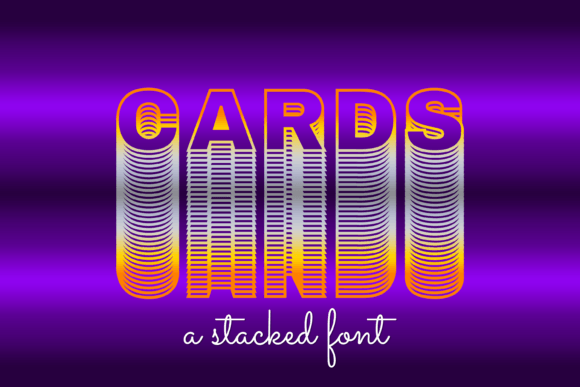
Cards is a typeface characterized by its clean lines, balanced structure, and subtle decorative elements. It is designed to be both functional and aesthetically pleasing, making it suitable for a wide range of uses. The font typically features a modern aesthetic with a slight nod to traditional typography, allowing it to blend well with different design styles.
One of the key features of Cards is its versatility. It can be used in both digital and print formats, and its legibility at various sizes makes it practical for different project needs. The font's design allows it to stand out without being overly complex, which is ideal for users who want a stylish yet readable typeface.
Why Someone Might Be Interested in Cards
Individuals interested in Cards may be looking for a font that combines visual appeal with usability. This could include graphic designers seeking a unique typeface for branding or marketing materials, crafters looking for a stylish font for handmade items, or anyone involved in creative projects who wants to add a refined touch to their work.
The font's name itself suggests its potential use in card-based designs, such as greeting cards, invitations, or business cards. However, its adaptability extends beyond these specific applications. Many users appreciate the font's ability to enhance the overall look of a project while maintaining clarity and professionalism.
Benefits of Using Cards
One of the main advantages of Cards is its readability. Despite its stylistic elements, the font remains easy to read, even at smaller sizes. This makes it a practical choice for text-heavy content or projects where clarity is essential.
Cards also offers a level of visual distinction that can help a project stand out. Its design provides a sense of sophistication without being too ornate, making it suitable for both casual and formal settings. This balance between style and functionality is a significant benefit for users who want to maintain a professional appearance while adding a personal touch.
Another advantage is the font's availability. Many platforms and design tools offer Cards or similar fonts, making it accessible to a wide range of users. This ease of access can be particularly beneficial for those who are new to typography or looking for a quick solution to their design needs.
Considerations and Tradeoffs
While Cards is a strong option for many projects, it may not be the best fit for every situation. One consideration is the font's specific design characteristics. Users who prefer more minimalist or highly stylized typefaces may find that Cards does not align with their aesthetic preferences.
Additionally, the font's effectiveness can depend on the context in which it is used. For example, in large-scale print projects or digital interfaces with limited space, the font's details may become less effective or harder to read. In such cases, a simpler or more robust typeface might be a better choice.
It's also important to consider the availability of the font. While Cards may be widely available, some users may encounter limitations depending on their software or platform. Ensuring compatibility with the tools they use is an essential step for anyone considering incorporating Cards into their work.
Situations Where Cards Is a Strong Fit
Cards is particularly well-suited for projects that require a combination of style and clarity. For instance, it can be an excellent choice for wedding invitations, thank-you cards, or other event-related materials where a polished and elegant appearance is desired. Its readability ensures that the message remains clear, while its design adds a touch of sophistication.
In the realm of DIY crafts, Cards can enhance the visual appeal of handmade items such as scrapbooks, custom labels, or personalized gifts. Its clean lines and balanced proportions make it ideal for projects that aim to convey a sense of care and attention to detail.
For digital designers, Cards can be a valuable asset when creating logos, website headers, or social media graphics. Its modern yet timeless feel allows it to complement a variety of design themes, making it a flexible choice for different creative endeavors.
Situations Where Alternatives May Be Worth Considering
If a project requires a more minimal or highly stylized font, alternatives to Cards may be more appropriate. Fonts like Helvetica, Arial, or Futura offer a clean and straightforward look that can be ideal for certain design goals. Similarly, more decorative typefaces such as Script or Display fonts may be better suited for projects that prioritize visual flair over readability.
Users who need a font with greater technical precision, such as for long-form documents or accessibility-focused designs, may find that other typefaces provide better results. In these cases, fonts with consistent stroke widths and clear letterforms can enhance readability and usability.
It's also worth noting that the effectiveness of any font depends on how it is used. Even if Cards is a strong choice for a particular project, the overall design, layout, and color scheme will play a critical role in determining the final outcome. Careful consideration of these factors can help ensure that the font complements the rest of the design rather than detracting from it.
Practical Decision-Making Insights
When deciding whether to use Cards, it's helpful to evaluate the specific needs of the project. Consider the intended audience, the medium in which the font will be used, and the overall design goals. Testing the font in different contexts can provide valuable insights into its effectiveness and suitability.
Users should also explore variations of the font or similar typefaces to determine which one best meets their requirements. Comparing different options can help identify the most appropriate choice based on factors such as readability, visual appeal, and compatibility.
Ultimately, the decision to use Cards should be based on a thoughtful assessment of its strengths and limitations in relation to the project's goals. By taking a practical and informed approach, users can make the most of this versatile and stylish font.