Rungkad: A Vintage Textured Font
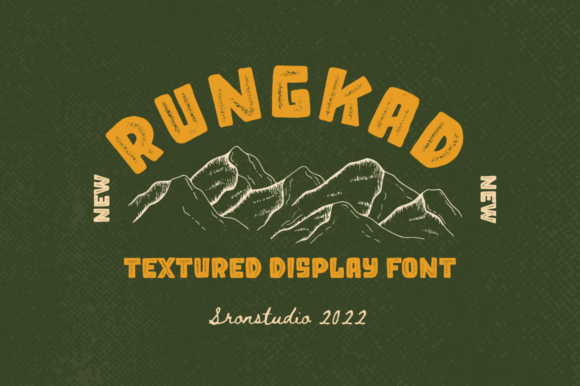
Rungkad is a unique display font that brings a rough, textured look to your designs. Its natural and vintage feel makes it perfect for a variety of creative and commercial projects. Whether you're working on outdoor apparel, merchandise, event posters, or movie titles, Rungkad adds a distinctive touch that stands out.
What Makes Rungkad Special?
Rungkad isn't just another font—it's a design element with character. The texture mimics hand-crafted materials, giving your work a raw, authentic feel. This makes it ideal for projects that aim to evoke nostalgia or a connection to the past. Unlike smooth, modern fonts, Rungkad's irregularities add depth and visual interest, making your designs more engaging.
The font’s rough edges and uneven lines create a sense of movement and energy. It’s not about perfection; it’s about capturing the essence of something handmade. This quality appeals to designers who want to break away from the sterile look of digital typography.
Why Use Rungkad?
If you're looking to make a statement, Rungkad can help. It’s great for branding that wants to feel grounded and real. For example, a small business selling handmade goods might use Rungkad to reinforce their commitment to traditional craftsmanship. Similarly, a music festival could use it on posters to give a retro vibe that resonates with fans.
Designers often choose Rungkad when they need a font that feels personal. It works well in contexts where authenticity matters, such as indie films, artisanal products, or community events. Its versatility means it can be used in both digital and print formats without losing its charm.
Practical Uses for Rungkad
Outdoor apparel brands often use Rungkad on t-shirts, hats, and jackets. The texture complements rugged, adventure-themed designs, making the brand feel more connected to nature and exploration. Merchandise like stickers, mugs, and bags also benefit from Rungkad’s bold presence.
Event organizers can use Rungkad for posters, flyers, and banners. Its vintage style fits well with themes like retro concerts, film festivals, or art exhibitions. It helps create a visual identity that feels intentional and nostalgic.
In the film industry, Rungkad is popular for title cards and promotional materials. It gives a cinematic feel that enhances the storytelling experience. Whether it's a short film or a feature-length project, the font adds a layer of visual storytelling.
Who Benefits from Using Rungkad?
Rungkad is useful for a wide range of people. Beginners can experiment with its texture to learn how different fonts affect a design. Professionals can use it to add uniqueness to their work, especially in industries where creativity is key. Entrepreneurs and small business owners can leverage Rungkad to build a brand identity that feels genuine and memorable.
Bloggers and marketers might use Rungkad for headlines or social media posts to grab attention. Educators and students can explore typography concepts through this font, learning how texture influences visual communication. Freelancers can offer Rungkad as a design option to clients looking for something different.
Considerations Before Using Rungkad
Before choosing Rungkad, consider the context of your project. While its texture is appealing, it may not work for all types of content. For instance, if you're designing a website with a lot of text, Rungkad might be too difficult to read. In such cases, it’s better to use it for headings or logos rather than body text.
Also, think about the medium you’re using. Rungkad looks best in high-resolution formats where the texture can be clearly seen. If you’re printing something, make sure the printer can handle the details. Testing the font in different sizes and backgrounds can help you see how it performs in real-world scenarios.
How to Get Started with Rungkad
Getting started with Rungkad is simple. You can download it from font marketplaces or design platforms. Once installed, it becomes available in most design software like Adobe Illustrator, Photoshop, or Canva. Experimenting with different styles and colors can help you find the right look for your project.
Beginners should start by applying Rungkad to small elements, like logos or headers. As they become more comfortable, they can expand its use to larger parts of a design. Combining it with other fonts can also create interesting contrasts, balancing its rough texture with smoother, more refined typefaces.