Medieval Timeline: A Unique Font for Historical-Themed Projects
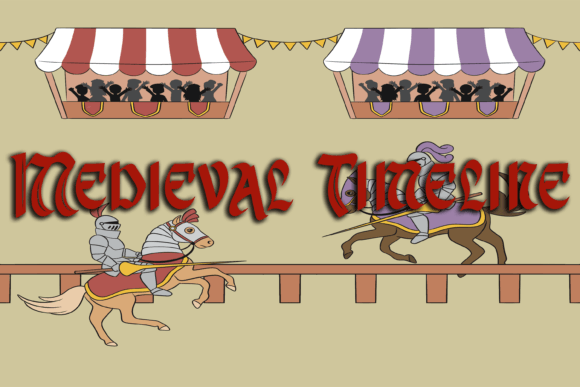
Medieval Timeline is a distinctive display font that captures the essence of medieval Gothic lettering. Designed with a bold and ornate style, it brings a sense of history and authenticity to any project that requires a medieval aesthetic. This font is ideal for those working on historical themes, such as book covers, logos, or event invitations that aim to evoke a bygone era.
The design of Medieval Timeline draws inspiration from traditional Gothic script, which was commonly used in Europe during the Middle Ages. This influence is evident in the font's intricate details, sharp angles, and dramatic flourishes. These elements combine to create a visual identity that feels both authentic and visually striking.
What Makes Medieval Timeline Distinct?
One of the key features that sets Medieval Timeline apart from other fonts is its unique blend of historical accuracy and modern usability. While many fonts attempt to replicate medieval styles, they often lack the clarity and readability needed for contemporary applications. Medieval Timeline strikes a balance between these two aspects, making it versatile for a wide range of uses.
The font’s bold strokes and structured layout ensure that it remains legible even at smaller sizes, which is crucial for projects where text needs to be easily readable without sacrificing style. Additionally, the font includes a variety of ligatures and alternate characters that allow for greater customization and a more authentic medieval feel.
Another distinguishing characteristic of Medieval Timeline is its adaptability. It can be used in both digital and print formats, making it suitable for web design, branding, and physical materials like banners or signage. This flexibility makes it a valuable asset for designers and creators who work across multiple platforms.
Comparing Medieval Timeline with Similar Fonts
When considering fonts with a medieval theme, there are several alternatives that may appeal to different design needs. For instance, fonts like Garamond or Baskerville offer a more classic, Renaissance-inspired look, while others like Blackletter or Fraktur provide a more traditional Gothic appearance. Each of these fonts has its own strengths and limitations, depending on the intended use.
Fonts that mimic medieval styles often vary in their level of detail and complexity. Some may prioritize historical accuracy over readability, which can make them less practical for everyday use. In contrast, Medieval Timeline is designed with both aesthetics and functionality in mind, ensuring that it can be used effectively in a variety of contexts.
Another consideration when comparing fonts is the availability of different weights and styles. Some medieval-themed fonts may only offer a single weight, limiting their versatility. Medieval Timeline, however, provides a range of options that allow for greater creative freedom and adaptability in design projects.
Strengths and Best-Fit Situations
Medieval Timeline excels in situations where a strong historical presence is desired. It is particularly well-suited for projects related to medieval history, fantasy literature, or themed events such as Renaissance fairs or historical reenactments. Its bold and dramatic appearance can help convey a sense of grandeur and authenticity that other fonts may not achieve.
The font is also useful for branding purposes, especially for businesses or organizations that want to establish a connection with the past. Whether it’s a boutique specializing in handmade goods or a publishing house focused on historical fiction, Medieval Timeline can help reinforce a brand’s identity and values.
In addition to its visual appeal, Medieval Timeline is a practical choice for designers who need a font that is easy to work with. Its clean structure and consistent spacing make it suitable for both short headlines and longer blocks of text, providing a reliable option for a variety of typographic needs.
Tradeoffs and Limitations
While Medieval Timeline offers many advantages, it may not be the best choice for every project. One potential limitation is its suitability for modern or minimalist designs. The font’s bold and ornate characteristics may clash with sleek, contemporary aesthetics, making it less appropriate for certain types of branding or user interfaces.
Another factor to consider is the font’s compatibility with different software and platforms. While most modern design tools support a wide range of fonts, some older or less flexible programs may not render Medieval Timeline as effectively. Designers should test the font in their preferred workflow to ensure it meets their specific requirements.
Additionally, the font’s historical style may not resonate with all audiences. Depending on the target demographic, a more neutral or modern font might be more effective in conveying the intended message. It is important to consider the context and audience when selecting a font for a particular project.
When to Choose Medieval Timeline
Medieval Timeline is an excellent choice for projects that require a strong historical or thematic identity. If your goal is to create a visual experience that transports viewers to a different time period, this font can help achieve that effect. It is particularly effective for content that tells a story or evokes a sense of nostalgia.
For example, a museum exhibit focusing on medieval artifacts could benefit from using Medieval Timeline in its signage or promotional materials. Similarly, a fantasy novel cover that aims to capture the spirit of ancient legends might find the font to be a powerful tool in conveying the right mood and atmosphere.
Designers working on projects with a specific historical or cultural focus will also find Medieval Timeline to be a valuable resource. Its ability to blend authenticity with readability makes it a practical choice for a wide range of creative endeavors.
When to Consider Alternatives
If your project requires a more neutral or modern appearance, you may want to explore other font options. For instance, a tech startup looking to establish a forward-thinking brand identity might prefer a clean, sans-serif typeface over a medieval-style font. In such cases, the simplicity and clarity of alternative fonts can be more effective in communicating the desired message.
Similarly, if your design needs to accommodate a broad audience, a font that is widely recognized and easily readable may be a better fit. While Medieval Timeline is highly distinctive, it may not be the most accessible choice for all users, particularly those who are not familiar with its style.
Ultimately, the decision to use Medieval Timeline or an alternative font depends on the specific goals of your project. By carefully evaluating the strengths and limitations of each option, you can make an informed choice that aligns with your creative vision and practical needs.