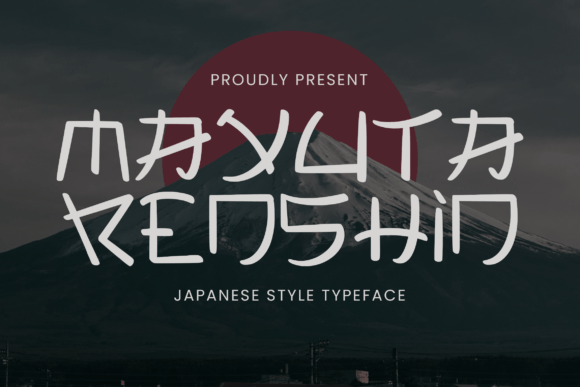
Mayuta Renshin: A Japanese-Style Typography for Unique Branding
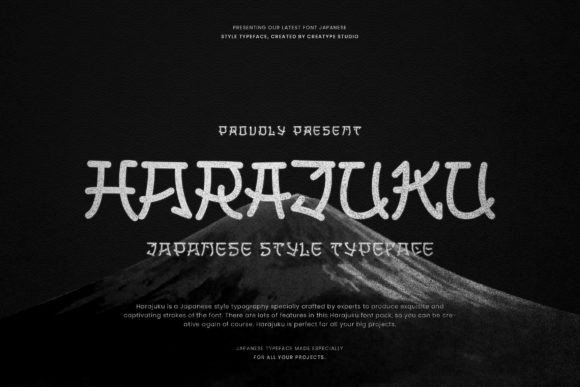
For those seeking a distinctive visual identity, Mayuta Renshin offers a refined and elegant approach to typography. This Japanese-style font is designed with meticulous attention to detail, creating strokes that are both aesthetically pleasing and functionally effective. Whether you're working on a logo, social media campaign, or product packaging, Mayuta Renshin can elevate your design with its cultural authenticity and artistic flair.
What Makes Mayuta Renshin Special?
Mayuta Renshin is more than just a font—it's a style of writing that captures the essence of traditional Japanese calligraphy. The font’s structure balances precision with fluidity, making it ideal for projects that require a blend of modern and classical elements. Its unique stroke patterns and character spacing give it a distinct personality, setting it apart from generic typefaces.
Designers often choose Mayuta Renshin for its ability to convey sophistication and cultural depth. It works well in branding, especially for businesses targeting Japanese audiences or those looking to incorporate an Asian aesthetic into their visuals. From invitations to stationery, this font adds a touch of elegance that resonates with discerning viewers.
Common Mistakes When Using Mayuta Renshin
Despite its appeal, many users make mistakes when working with Mayuta Renshin. One common error is assuming that all Japanese-style fonts are the same. While they may look similar at first glance, each has its own nuances. Choosing the wrong variant can lead to miscommunication or an unprofessional appearance.
Another frequent oversight is not considering the readability of the font. Mayuta Renshin is beautiful, but it may not be suitable for body text in long documents. Its intricate details can become difficult to read when used in small sizes or in dense paragraphs. Always test the font in different contexts before finalizing your design.
How to Avoid These Mistakes
To avoid these pitfalls, start by understanding the specific use case for your project. If you're designing a logo, Mayuta Renshin can shine as a headline font. However, for body text, consider pairing it with a more readable typeface. This combination ensures clarity without sacrificing style.
Also, take time to explore different variations of Mayuta Renshin. Some versions may have more pronounced strokes, while others are more minimalist. Choose the one that best aligns with your design goals and audience expectations.
Choosing the Right Version of Mayuta Renshin
Not all sources offer the same quality or features when it comes to Mayuta Renshin. Some free downloads may lack proper licensing, which can lead to legal issues if used commercially. Always verify the license terms before downloading or purchasing the font.
Another consideration is the format. Mayuta Renshin may be available in different file types, such as OTF or TTF. Ensure that the version you choose is compatible with your design software. Mismatched formats can cause technical problems, delaying your project or affecting the final output.
Check for Proper Licensing
Licensing is a crucial step that many overlook. Using a font without the correct license can result in copyright violations, which could harm your business reputation. Always review the license agreement to understand what you're allowed to do with the font—whether it's for personal, commercial, or resale purposes.
If you're unsure about the terms, consult the font provider or seek legal advice. Investing a few minutes in this step can save you from costly mistakes down the line.
Best Practices for Using Mayuta Renshin
To get the most out of Mayuta Renshin, follow these practical tips. First, use it sparingly. Overusing the font can make your design feel cluttered and unbalanced. Limit its use to key elements like headings, titles, or logos to maintain visual harmony.
Second, pair it with complementary fonts. For example, combine Mayuta Renshin with a sans-serif typeface for contrast. This approach enhances readability while maintaining the font’s unique character. Avoid using multiple decorative fonts in the same design, as it can create confusion and reduce professionalism.
Test in Different Sizes and Contexts
Before finalizing your design, test Mayuta Renshin in various sizes and environments. View it on different devices and backgrounds to ensure it remains legible and visually appealing. What looks great on a large banner may not work well on a small business card.
Additionally, consider the cultural context of your audience. While Mayuta Renshin is inspired by Japanese typography, it may not resonate with all viewers. Research your target demographic to ensure the font aligns with their preferences and expectations.
Conclusion: Make Informed Choices with Mayuta Renshin
Mayuta Renshin is a powerful tool for designers seeking a Japanese-inspired aesthetic. Its elegant strokes and cultural significance make it a valuable addition to any creative project. However, success with this font requires careful planning and informed decisions.
Avoid common mistakes by understanding the font’s strengths and limitations. Check licensing, test readability, and pair it with complementary elements. With the right approach, Mayuta Renshin can enhance your designs and help you stand out in a competitive market.