Kindy Stories: A Charmed Font for Creative Expression and Branding
In the ever-evolving landscape of design and branding, typography plays a pivotal role in shaping how brands are perceived. One font that has been gaining traction among creators, marketers, and entrepreneurs is Kindy Stories. This display font offers a unique blend of charm and effectiveness, making it an ideal choice for game branding and a wide array of creative projects. Its versatility and aesthetic appeal have positioned it as a standout option in the world of digital design.
What Is Kindy Stories?
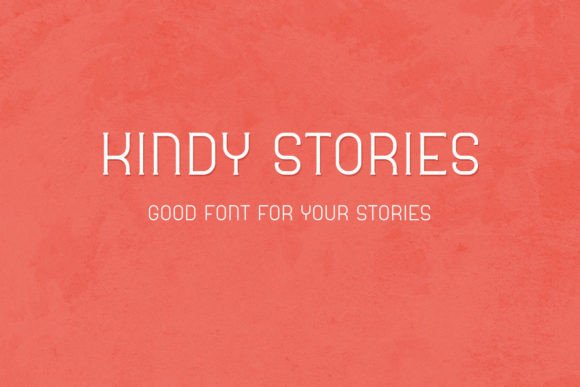
Kindy Stories is a display font designed with a whimsical yet sophisticated touch. It combines playful elements with clean lines, allowing it to stand out while maintaining readability. The font’s design draws inspiration from hand-drawn styles, giving it a personal and authentic feel that resonates with audiences looking for something distinctive.
Unlike many other fonts that may lean too heavily into either casual or formal aesthetics, Kindy Stories strikes a balance that makes it adaptable across various mediums. Whether used in print, digital media, or interactive platforms, it retains its visual appeal and functionality. This adaptability is one of the reasons why it has become a popular choice for designers seeking to differentiate their work.
How Kindy Stories Fits Into Broader Trends
The rise of Kindy Stories aligns with several broader trends in the creative and business industries. As consumers increasingly seek authenticity and individuality, brands are turning to unique typography to set themselves apart. This shift reflects a growing preference for designs that tell a story rather than simply convey information.
In the gaming industry, where branding is crucial for player engagement, Kindy Stories offers a way to create a memorable identity. Game developers and indie studios often look for fonts that can evoke a sense of nostalgia or fantasy, and this font does just that. Its ability to convey emotion through design makes it particularly effective in creating immersive experiences.
Moreover, the trend toward personalized and bespoke design solutions has also contributed to the popularity of Kindy Stories. In a market saturated with generic fonts, the uniqueness of this typeface allows designers to craft more distinctive and impactful visuals. This aligns with the broader movement toward customization and individual expression in both personal and professional contexts.
Why People Are Paying Attention to Kindy Stories
There are several factors that contribute to the growing interest in Kindy Stories. One of the primary reasons is its ability to enhance visual storytelling. In an age where content is king, the right typography can make a significant difference in how a message is received. Kindy Stories provides a visual language that supports narrative-driven design, making it a valuable tool for creators looking to engage their audience on a deeper level.
Another reason for its appeal is its ease of use. Despite its unique character, Kindy Stories is designed to be user-friendly, allowing even those without extensive design experience to incorporate it into their projects. This accessibility makes it an attractive option for freelancers, small businesses, and independent creators who may not have access to professional design teams.
Additionally, the font’s compatibility with a wide range of projects has made it a go-to choice for many designers. From logos and packaging to social media graphics and web design, Kindy Stories can be seamlessly integrated into various formats. This flexibility ensures that it remains relevant across different industries and applications.
Changing Needs and Preferences in the Design Industry
The design industry is constantly evolving, and Kindy Stories reflects the changing needs and preferences of professionals and enthusiasts alike. As technology advances, there is a growing emphasis on efficiency and innovation in design workflows. Fonts like Kindy Stories offer a solution that is both visually appealing and functionally sound, meeting the demands of modern design practices.
Furthermore, the increasing importance of cross-platform consistency has led to a greater focus on typography that works well across different devices and screen sizes. Kindy Stories is optimized for digital use, ensuring that it maintains its clarity and impact whether viewed on a smartphone, tablet, or desktop computer. This adaptability is essential in today’s multi-device world.
Another key factor driving the relevance of Kindy Stories is the shift towards more inclusive and diverse design practices. As brands strive to connect with a broader audience, they need to communicate in ways that are accessible and relatable. The friendly and approachable nature of Kindy Stories helps bridge this gap, making it an excellent choice for projects that aim to resonate with a wide demographic.
Practical Examples and Observations
One practical example of Kindy Stories in action is its use in indie game branding. Many small studios leverage this font to create eye-catching titles and promotional materials that capture the essence of their games. The font’s playful yet refined style complements the creative vision of these developers, helping them stand out in a competitive market.
In the realm of marketing and advertising, Kindy Stories has been used to craft slogans and taglines that are both memorable and engaging. Its ability to convey a sense of warmth and creativity makes it ideal for campaigns targeting younger audiences or those looking for a more personal connection with brands.
Additionally, the font has found a place in lifestyle and wellness branding, where the emphasis is often on authenticity and emotional resonance. Whether used in product packaging, social media posts, or website copy, Kindy Stories adds a touch of personality that enhances the overall brand experience.
Connecting to Larger Developments
The success of Kindy Stories is not an isolated phenomenon but part of a larger movement in the design and creative industries. As more professionals recognize the value of typography in shaping brand identity, the demand for unique and expressive fonts continues to grow. This trend is supported by advancements in digital tools and platforms that make it easier for designers to experiment with different typefaces.
Moreover, the increasing focus on user experience (UX) has highlighted the importance of typography in creating intuitive and aesthetically pleasing interfaces. Kindy Stories contributes to this by offering a font that is both visually striking and functionally effective, ensuring that it enhances rather than detracts from the user experience.
As the creative landscape continues to evolve, Kindy Stories stands as a testament to the power of thoughtful design. Its ability to adapt to different contexts and meet the needs of diverse audiences makes it a valuable asset for anyone looking to elevate their creative projects. By incorporating this font into their work, designers and brands can create a lasting impression that resonates with their target audience.