Ghost Pumpkin: A Whimsical Font for Halloween and Beyond
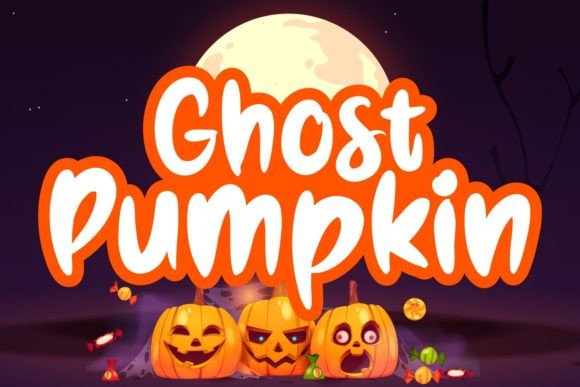
Ghost Pumpkin is a handwritten display font that blends playful charm with a subtle spooky aesthetic. Designed for creative projects, it offers a unique visual identity that can elevate any design needing a touch of whimsy or seasonal flair. Whether you're working on a Halloween campaign, a themed event invitation, or a branded product, Ghost Pumpkin provides a distinctive typographic option that stands out from more conventional fonts.
What Makes Ghost Pumpkin Stand Out
At first glance, Ghost Pumpkin appears to be a simple handwritten font, but its character set and stylistic choices reveal a thoughtful approach to typography. The letterforms have a slightly uneven, organic feel that mimics natural handwriting, giving it a personal and authentic touch. This quality makes it ideal for projects that aim to feel more human, approachable, or artisanal.
The font’s name hints at its tone—spooky yet lighthearted. It doesn’t lean into overt horror elements but instead captures the playful essence of Halloween. This balance allows it to be versatile enough for use beyond traditional seasonal designs. For instance, it could work well for a children's book, a quirky brand logo, or even a festival poster that doesn't want to be too serious.
Key Characteristics and Practical Value
Ghost Pumpkin includes a full set of uppercase and lowercase letters, along with numbers and basic punctuation. Its design ensures readability at larger sizes, making it suitable for headings, titles, and short phrases. However, it may not be the best choice for body text due to its stylized nature and varying stroke widths.
The font’s irregularity adds character but also requires careful consideration when used in layouts. Designers should test it across different sizes and backgrounds to ensure it maintains clarity and impact. When used appropriately, Ghost Pumpkin can add a sense of fun and personality that other fonts might lack.
Real-World Applications and Effectiveness
For marketers and entrepreneurs, Ghost Pumpkin can be a valuable tool in creating eye-catching promotional materials. Its whimsical style aligns well with brands targeting younger audiences or those looking to inject creativity into their messaging. For example, a small business selling handmade goods might use it for social media graphics or packaging labels to convey a more personalized, artisanal vibe.
Freelancers and designers may find it useful for client projects that require a specific mood or theme. It can help differentiate a project from competitors by offering a unique visual element. However, its effectiveness depends on how well it integrates with the overall design scheme. Inconsistent use or overuse could dilute its impact.
Quality, Usability, and Flexibility
Ghost Pumpkin is designed with attention to detail, ensuring consistency across the character set. While it has a handcrafted look, the font maintains a level of polish that avoids appearing sloppy. This balance is crucial for professional use, where aesthetics and readability are both important.
Usability is another strong point. The font is available in multiple formats, making it accessible for various design software. Its flexibility allows it to be used in both digital and print contexts, though users should consider how it renders on different screens and paper types. For long-term projects, the font’s reliability and ease of use make it a practical choice.
Who Benefits Most from Ghost Pumpkin
Ghost Pumpkin is particularly suited for creators who want to infuse their work with personality and a touch of playfulness. Educators and content creators might use it for lesson plans, presentations, or blog headers to engage students or readers in a more lively manner. Small business owners looking to build a brand identity that feels warm and inviting could also benefit from its use.
However, it may not be the best fit for all audiences. Those working on formal or high-end projects may prefer more refined typography. Similarly, users who prioritize clean, minimalistic designs might find Ghost Pumpkin too ornate or distracting. It’s important to match the font’s tone with the project’s goals and audience expectations.
Recommendations and Considerations
When considering Ghost Pumpkin, it’s advisable to preview it in different contexts before committing to a project. Testing it in various sizes and on different backgrounds can help determine its suitability. For instance, using it in a large headline on a dark background might produce a striking effect, while smaller text on a light background could reduce legibility.
Designers should also be mindful of how Ghost Pumpkin interacts with other typefaces. Pairing it with a simpler, more neutral font can create a balanced composition that highlights its unique qualities without overwhelming the viewer. This approach can be especially effective in branding or editorial design where contrast and hierarchy are key.
Long-Term Value and Audience Fit
Ghost Pumpkin offers long-term value for those who appreciate its aesthetic and functionality. Its versatility allows it to be used across multiple projects, from seasonal campaigns to ongoing brand identities. For professionals who frequently work with creative or thematic content, it can become a go-to font for adding a special touch to their designs.
Ultimately, whether Ghost Pumpkin fits your needs depends on your creative goals and the message you want to convey. If you’re looking for a font that brings a sense of fun and individuality to your work, it’s worth exploring. However, if your focus is on clarity and simplicity, you may find other options more suitable.