Flying Circus: A Unique Display Font for Creative Workflows
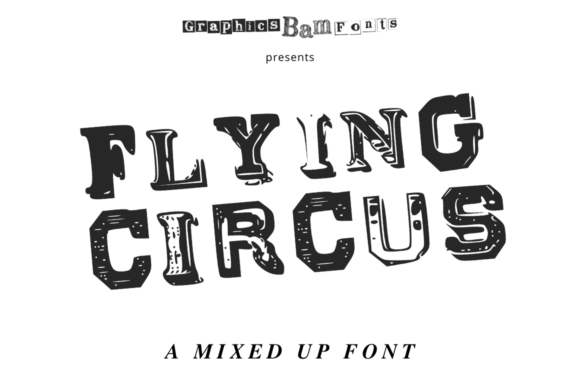
Flying Circus is more than just a font—it's a versatile tool that can elevate the visual impact of any project. Designed with a playful yet professional aesthetic, this display font offers a distinctive character that stands out in both digital and print formats. Whether you're working on branding, web design, editorial layouts, or personal projects, Flying Circus has the potential to enhance your creative output in meaningful ways.
Understanding how to integrate Flying Circus into your workflow can make a significant difference in the quality and consistency of your designs. From initial concept to final execution, this font can be a valuable asset at various stages of the creative process. Its unique style allows it to complement a wide range of design elements, making it an essential addition to any designer’s or creator’s toolkit.
Understanding Flying Circus in the Design Process
Flying Circus is best described as a display font that balances creativity with readability. It features bold strokes, dynamic curves, and a sense of motion that gives it a lively appearance. This makes it ideal for headlines, logos, and other visual elements where attention-grabbing typography is needed. However, its versatility extends beyond just aesthetics—it also plays a role in how information is communicated and perceived.
In the context of a broader design process, Flying Circus can be used to define a brand’s visual identity, add emphasis to key messages, or create a cohesive look across multiple platforms. When selecting fonts for a project, it's important to consider not only their visual appeal but also their functionality within the overall design system. Flying Circus excels in situations where a strong, memorable typeface is required without compromising clarity.
Using Flying Circus in Different Workflow Stages
The integration of Flying Circus can occur at various points in a project lifecycle. Before starting a new design, it can serve as inspiration or a reference point for the tone and style of the work. During the creation phase, it can be used to test different typographic combinations and ensure visual harmony. After the project is complete, it can help maintain consistency across all deliverables, reinforcing the brand’s identity.
For example, when designing a website, Flying Circus might be used for the main heading to draw attention and establish a unique visual signature. In print materials such as brochures or posters, it can provide a striking focal point that complements the layout. In both cases, the font adds a layer of personality that sets the design apart from more generic options.
Additionally, Flying Circus can be useful in collaborative environments where multiple stakeholders are involved. Its distinct style can help communicate the intended message more effectively, reducing the need for extensive explanations or revisions. This can streamline the approval process and improve overall efficiency.
Compatibility and Practical Implementation
When incorporating Flying Circus into your workflow, it's important to consider compatibility with other design tools and platforms. Most modern design software, including Adobe Creative Suite, Figma, and Canva, supports custom fonts, making it easy to access and apply Flying Circus in various projects. However, it's always a good idea to check the font’s licensing terms to ensure it can be used for commercial purposes if needed.
Another factor to consider is the font’s scalability. While it performs well at larger sizes, it may not be suitable for body text due to its decorative nature. This means it should be used strategically, focusing on areas where it can have the most impact without sacrificing readability. For instance, using it for headings, titles, or callout text can maximize its effectiveness while maintaining a clean and professional look.
When working with teams or clients, it's helpful to provide clear guidelines on how to use Flying Circus. This includes specifying appropriate sizes, colors, and spacing to ensure consistency across all materials. By establishing these standards early in the process, you can avoid confusion and maintain a cohesive visual language throughout the project.
Workflow Examples and Use Cases
Let’s explore a few practical scenarios where Flying Circus can be applied effectively. For a marketing campaign, the font could be used for social media posts, banners, and email headers to create a visually engaging experience. Its energetic style aligns well with promotional content, helping to capture the audience’s attention and reinforce the campaign’s message.
In a publishing context, Flying Circus might be used for book covers, magazine titles, or article headings. Its unique shape and movement can add a sense of dynamism that draws readers in and enhances the overall reading experience. When paired with a simpler, more neutral font for body text, it creates a balanced and professional look that still feels creative.
For educational materials, such as presentations or infographics, Flying Circus can be used to highlight key points or emphasize important data. Its visual appeal helps break up dense text and make complex information more digestible. This is particularly useful in settings where clarity and engagement are critical, such as training sessions or classroom materials.
Long-Term Considerations and Maintenance
As with any design element, the long-term use of Flying Circus requires careful planning and maintenance. It’s important to assess how the font will perform over time, especially if it’s being used across multiple projects or platforms. Regular reviews can help ensure that it continues to meet the needs of the brand or project without becoming outdated or inconsistent.
One way to maintain consistency is by creating a style guide that outlines how Flying Circus should be used in different contexts. This document can include details such as font size, color, spacing, and examples of proper application. Having a clear reference point helps prevent misuse and ensures that the font remains a valuable asset in the design process.
Additionally, staying informed about updates or variations of the font can be beneficial. As design trends evolve, new versions of Flying Circus may be released that offer improved features or enhanced compatibility. Keeping track of these developments allows you to adapt your workflow and continue leveraging the font’s strengths effectively.
Conclusion: Integrating Flying Circus Into Your Creative Routine
Flying Circus is more than just a font—it’s a powerful tool that can enhance the visual impact of your work. By understanding its strengths and limitations, you can integrate it seamlessly into your creative process and use it to achieve better results. Whether you're working on a personal project, a business initiative, or a collaborative effort, this font offers a unique way to express your ideas and stand out from the crowd.
With thoughtful implementation and consistent application, Flying Circus can become a trusted part of your design arsenal. Its ability to add personality, clarity, and visual interest makes it a valuable resource for anyone looking to elevate their work and create more engaging experiences.