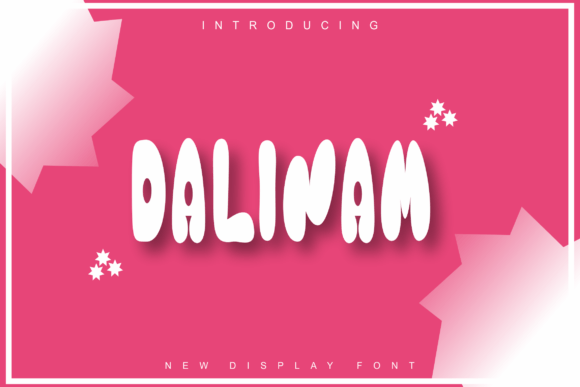
Dalinam: A Bold and Playful Font for Creative Designs
Dalinam is a unique font that brings a sense of boldness and fun to any design project. Its distinctive style makes it ideal for creative works that require a playful or cartoonish aesthetic. Whether you're designing a poster, a game title, or a magazine layout, Dalinam can add a dynamic visual element that captures attention.
What is Dalinam?
Dalinam is a typeface designed with a focus on creativity and expressiveness. It features exaggerated shapes and a lively character that sets it apart from more traditional fonts. The font's design elements often include rounded edges, whimsical details, and a sense of movement, making it particularly well-suited for projects that aim to convey energy and playfulness.
Unlike many standard fonts, Dalinam is not meant for everyday use in formal documents. Instead, it thrives in contexts where visual impact and personality are key. Its design allows for a strong presence on the page, making it a popular choice among designers looking to make a statement.
Why Consider Dalinam?
For designers seeking a font that stands out, Dalinam offers a compelling option. Its bold and fun characteristics can elevate the visual appeal of any project that requires a lighthearted or imaginative tone. If your goal is to create something that feels unique and engaging, Dalinam could be an excellent fit.
One of the main reasons someone might choose Dalinam is its ability to convey a sense of whimsy and creativity. This makes it especially useful in industries such as entertainment, gaming, and publishing, where visual storytelling plays a significant role. Additionally, its versatility allows it to be used across various mediums, including print and digital formats.
Benefits and Tradeoffs
Using Dalinam can bring several benefits to a design project. Its bold appearance can draw attention and create a memorable visual identity. For projects that require a strong brand presence, this can be a significant advantage. Moreover, its playful nature can help communicate a specific mood or theme effectively.
However, there are tradeoffs to consider. Dalinam may not be suitable for all types of design work. In situations where clarity and readability are paramount, such as in long-form text or professional documents, it may not be the best choice. The font's stylized features can sometimes reduce legibility, especially at smaller sizes or when used in large blocks of text.
Another consideration is the context in which the font will be used. While Dalinam excels in creative and artistic applications, it may not align with more conventional or minimalist design approaches. Designers should evaluate whether the font's characteristics match the overall vision and purpose of their project.
Situations Where Dalinam Fits Well
Dalinam is particularly effective in scenarios that benefit from a bold and expressive visual style. For example, it can be an excellent choice for creating eye-catching posters for events, games, or movies. Its playful nature makes it ideal for titles and headings that need to stand out and capture the audience's interest.
In the realm of digital media, Dalinam can enhance the visual appeal of game titles, app interfaces, and social media graphics. It adds a sense of fun and creativity that resonates with younger audiences and those looking for a more vibrant design language. Similarly, in the publishing industry, it can be used for magazine covers, book titles, and other promotional materials that require a dynamic look.
Additionally, Dalinam can be a valuable tool for branding efforts that aim to convey a specific personality or identity. When used strategically, it can help establish a distinct visual style that differentiates a brand from its competitors.
When Alternatives May Be Better
While Dalinam has many strengths, there are situations where alternative fonts may be more appropriate. For instance, if the primary goal is to maintain a clean and professional appearance, a more traditional font might be a better choice. Fonts like Helvetica, Arial, or Georgia offer a level of neutrality and readability that can be essential in certain contexts.
Designers should also consider the target audience when selecting a font. If the audience expects a more serious or formal tone, using a font like Dalinam could undermine the intended message. In such cases, a more subdued or elegant typeface would be more suitable.
Furthermore, if the project involves a lot of text, such as a website or a lengthy document, the readability of the font becomes a critical factor. In these instances, opting for a font that prioritizes clarity and ease of reading would be more practical.
Decision-Making Insights
When deciding whether to use Dalinam, it's important to assess the specific needs of the project. Start by identifying the goals and the desired tone of the design. If the objective is to create a fun, energetic, or imaginative look, Dalinam can be a powerful tool. However, if the focus is on clarity, professionalism, or minimalism, alternatives may be more appropriate.
Testing the font in different contexts can also provide valuable insights. Experimenting with how Dalinam looks in various sizes, colors, and layouts can help determine its effectiveness for the intended use. This process can reveal potential issues related to legibility or visual harmony that may not be immediately apparent.
Ultimately, the decision to use Dalinam should be based on a thoughtful evaluation of the project's requirements and the designer's creative vision. By considering both the strengths and limitations of the font, designers can make informed choices that align with their goals and the expectations of their audience.