Bringing Prehistory to Life with Prehistoric Bones
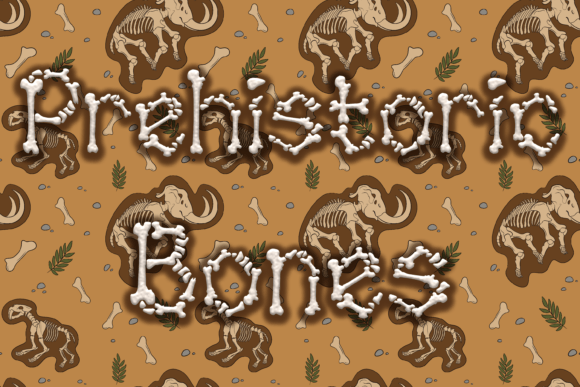
The world of typography is constantly evolving, and one font that has captured the imagination of designers and creators alike is Prehistoric Bones. This unique display font offers a bold, stylized look that evokes the raw, untamed essence of prehistoric times. With its distinctive bone-like letterforms, it brings a sense of ancient history and adventure to any project. Whether you're designing a logo for a nature-themed business or creating visuals for an educational presentation, Prehistoric Bones can add a powerful visual element that resonates with your audience.
Understanding the Design of Prehistoric Bones
Prehistoric Bones draws inspiration from the natural shapes and textures found in ancient bones. The font’s design features sharp edges, irregular curves, and a rugged appearance that mimics the weathered look of fossilized remains. These characteristics make it stand out in a sea of more conventional typefaces. Unlike sleek, modern fonts that prioritize clarity and simplicity, Prehistoric Bones embraces imperfection, giving it a character that feels authentic and grounded in history.
One of the most striking aspects of this font is its ability to convey a sense of timelessness. Each letterform seems to carry a story, as if it were carved by early humans or discovered in a long-forgotten cave. This makes it ideal for projects that aim to evoke a connection with the past, such as museum exhibits, historical documentaries, or even fictional narratives set in ancient times.
Applications of Prehistoric Bones in Modern Design
The versatility of Prehistoric Bones allows it to be used across a wide range of creative fields. In the realm of branding, it can serve as a strong visual identity for businesses that want to emphasize their connection to nature, sustainability, or adventure. For example, a company that sells outdoor gear might use Prehistoric Bones in its logo to suggest resilience, strength, and a deep respect for the natural world.
In the field of education, Prehistoric Bones can be an effective tool for engaging students in subjects like paleontology, archaeology, or anthropology. Teachers and educators can use it in presentations, worksheets, or posters to create a more immersive learning experience. By incorporating this font into visual materials, educators can help students visualize the ancient environments and creatures that shaped our planet’s history.
Creative Uses Beyond Traditional Media
Beyond print and digital media, Prehistoric Bones can also be used in interactive experiences, such as video games, virtual reality environments, and augmented reality applications. Game developers, for instance, might use this font to design in-game text, titles, or dialogue that enhances the narrative of a prehistoric-themed game. Similarly, AR experiences that simulate ancient landscapes could benefit from the font’s unique aesthetic, making the user feel as though they are exploring a real-world excavation site.
Another area where Prehistoric Bones shines is in the creation of artistic illustrations and concept art. Artists who work on fantasy or science fiction projects may find this font useful for adding a primal, wild energy to their visuals. Whether it's a poster for a film, a book cover, or a gallery exhibit, the font can provide a visual anchor that reinforces the theme of the artwork.
Advantages of Using Prehistoric Bones
One of the key advantages of Prehistoric Bones is its ability to capture attention. In a world where visual content is constantly competing for viewer engagement, a font with such a distinctive style can make a significant impact. Its bold and unconventional design ensures that it stands out, making it easier for audiences to remember and connect with the message being conveyed.
Additionally, Prehistoric Bones is highly adaptable. While it may not be suitable for body text due to its intricate details, it excels as a display font for headings, titles, and short phrases. This makes it an excellent choice for projects that require a strong visual hierarchy, where the font can be used strategically to highlight important information or create a focal point in the design.
Considerations When Using Prehistoric Bones
Despite its many benefits, Prehistoric Bones is not without its limitations. Because of its complex structure, it may not render consistently across all devices and platforms. Designers should test the font in different contexts to ensure that it maintains its intended appearance. Additionally, while the font’s unique style is appealing, it may not be appropriate for every project. It is best suited for themes that align with its prehistoric aesthetic, and using it in a context that feels out of place could detract from the overall message.
Another consideration is readability. While Prehistoric Bones is visually striking, it may not be the best choice for long blocks of text. Its irregular shapes and sharp edges can make it difficult to read at smaller sizes or in low-resolution formats. Therefore, it is recommended to use this font sparingly and in conjunction with more legible typefaces for extended reading.
Future Trends and Potential Developments
As the demand for unique and expressive typography continues to grow, fonts like Prehistoric Bones are likely to become more popular in both commercial and creative industries. Designers are increasingly seeking ways to differentiate their work, and a font with such a distinct personality can offer a valuable tool in achieving that goal.
Looking ahead, it is possible that variations of Prehistoric Bones could be developed to cater to specific needs, such as alternative weights, ligatures, or stylistic sets. These enhancements could expand the font’s usability and allow for even greater creative freedom. As technology advances, we may also see new ways to integrate this font into dynamic digital experiences, further broadening its appeal and application.